
Story. Career. Life.
We're here to help you succeed.
Your story matters. The one you’re writing, and the one you’re living. You can make both brilliant. Let us help.
Your Path to Getting Published Starts Here.
Start with a FREE class on Your Keys to Publishing Success, and get advice and industry insights from best-selling authors. Your writing career starts here!
BEST-SELLING AUTHORS OF OVER 100 NOVELS






TESTIMONIAL
 One of the best decisions I ever made in my writing life was to join My Book Therapy. I thought I could learn all I needed to know about creating stories from reading craft books. It didn’t take long to discover if I wanted to seriously pursue my dream of someday becoming a published author, I needed a community. My Book Therapy has taught me about the publishing industry, encouraged me when I’ve questioned my sanity, offered opportunities to connect with other writers, and played a key role in introducing me to my agent. I cannot say enough how much My Book Therapy has impacted my life as a writer and how grateful I’ll always be for joining this special community.
- BECCA, My Book Therapy member - I cannot say enough great things about My Book Therapy/Novel Academy! As a new author who wants to write quality books that readers will enjoy, I knew I needed training. Everything you could possibly need is available at your fingertips. Not only that, the community of support and encouragement is amazing! If you are looking for guidance in your writing journey, look no further!
- AMY, My Book Therapy member - I cannot say enough great things about My Book Therapy/Novel Academy! As a new author who wants to write quality books that readers will enjoy, I knew I needed training. Everything you could possibly need is available at your fingertips. Not only that, the community of support and encouragement is amazing! If you are looking for guidance in your writing journey, look no further!
- TAMMY, My Book Therapy member - “If word of mouth sells, Susie May Warren will be swamped. Since working with her I’ve told author friends non-stop about Book Therapy. Passionate. Funny. And knock-down-drag-out brilliant at launching my writing to another stratosphere. Don’t walk, sprint to your computer and hire her.”
- JIM RUBART, author Rooms - “Susan's teaching technique is fun and fresh! Her open and honest way of communicating writing skills is highly effective. Writers of all experience levels will benefit from her creative examples of characterization and plot."
- BETSY ANN ST. AMANT- “I am beginning my thirteenth book since 2012 and none of it would have been possible without Susan May Warren and My Book Therapy. Susie poured herself into teaching me, an unpublished writer, how to improve my writing. Her training and encouragement made all the difference."
- PATRICIA BRADLEY- “At the beginning of my writing journey, My Book Therapy anchored me in essential writing techniques. With continued access to writers retreats, online classes, and weekly Peptalks, I’ve strengthened my writing skills. I’ve also developed a vital community of writing friends. These relationships are priceless because of the constant source of encouragement and insight into the writing craft and the publishing industry."
- BETH VOGT, Christy and Carol award-winning author- “My Book Therapy is a great place to learn to write fiction. Susie and her team know how to guide a new writer to publication and how to help established authors continue to grow and sell. MBT is one of few places a beginning writer can get personal instruction and advice from highly successful authors. But MBT is much more than a school. It’s also a way to find fellowship with other believers, form lifelong friendships, and learn to follow Jesus more closely. For the Christian writer, there’s no better place to be than My Book Therapy."
- CHRISTINA MILLER, Love Inspired and Barbour author-
“I can honestly say that getting involved in MBT did more for my dream of being published than any other course, conference or college class. Learning from a master storycrafter like Susan May Warren and other incredible authors deepened my writing and widened the possibilities in front of me. I'm more grateful than I can say for not only what I've learned through MBT, but for the friendships, the mentoring, and the constant stream of career advice and encouragement! If you want to take your writing career from dream-in-the-making to dream-come-true, I can't recommend MBT enough."
-MELISSA TAGG, Christy Award-winning author of Now and Then and Always and the Walker Family series- “I have been a member of MBT since 2014, and it’s been worth every penny. I’m not a plotter, but I use the SEQ when I’m getting to know my characters for every story I begin. What I really love is that there is a training for every step of my career, from pitching, to writing the perfect synopsis, to marketing. And so much more.”
--DANA R. LYNN, bestselling & award-winning author for Love Inspired Suspense-

Step One:
Start Learning
Stop by our blog to get free resources and teaching from our multi-published authors.
GET STARTED
Step Two:
Invest in Yourself
Ready to start serious learning? Check out our workbooks and classes.

Step Three:
Get Training, advice, and network
Level up your skills and network through our weekly live training and online community.
JOIN US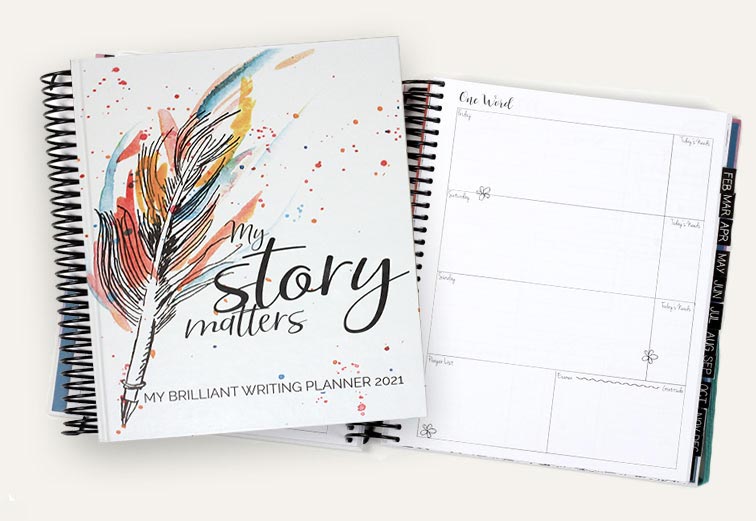
Step Four: Plan for Success
This is more than a planner, it’s a keeper of your dreams. Because your story—the one you live and the one you create—matters.
GET A PLANNER